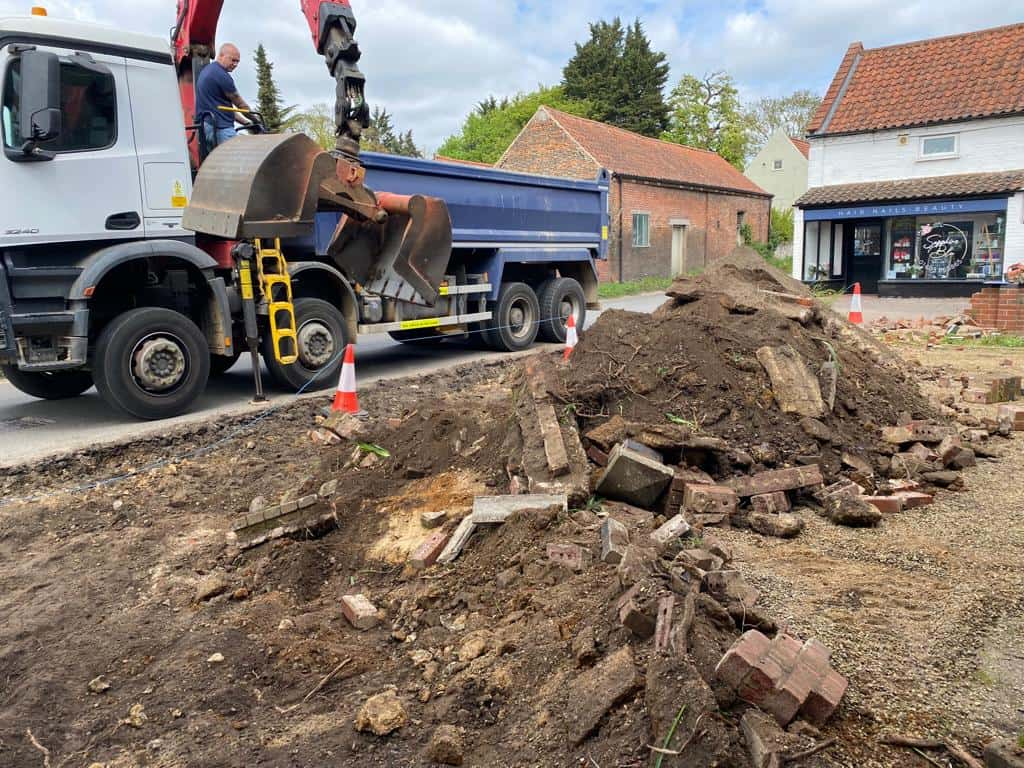
How Poor Drainage Can Lead to Premature Tarmac Deterioration
Tarmac is a durable and practical surfacing choice for residential driveways, access roads and parking areas. However, even a well-laid surface can begin to deteriorate prematurely if water is not managed properly. Poor drainage allows rainwater to collect on the surface or seep into the underlying layers, gradually weakening the structure and contributing to visible damage.
For property owners in Attleborough, Norfolk, understanding the connection between drainage and tarmac deterioration is important when installing a new driveway or maintaining an existing one. Effective water management helps preserve the surface, reduce avoidable damage and support long-term performance.
Why Proper Drainage Is Essential for Tarmac Surfaces
A tarmac surface needs suitable levels and falls to allow rainwater to drain away rather than remain in puddles. If water collects in low spots or along the edges, it can gradually find its way into small cracks, joints and vulnerable areas.
The problem is not limited to the visible surface. Water that reaches the layers beneath the tarmac can affect the stability of the foundation, particularly where the sub-base is poorly prepared or drainage is inadequate.
A properly designed driveway considers the natural ground conditions, surface levels and the most suitable route for water to escape. Without these considerations, even relatively new tarmac may develop problems sooner than expected.
How Standing Water Contributes to Tarmac Damage
Pooled water is one of the clearest signs that a driveway may have a drainage problem. Although occasional surface moisture is normal after rainfall, persistent puddles can indicate uneven levels or inadequate falls.
Standing water can contribute to deterioration in several ways:
- Surface weakening: Water entering small defects can gradually affect the bond and condition of the surrounding material.
- Cracking: Repeated moisture exposure can worsen existing cracks, allowing more water to penetrate.
- Surface erosion: Water flowing repeatedly across vulnerable areas can contribute to the loss of surface material.
- Edge deterioration: Poor drainage near driveway boundaries can cause water to collect where the tarmac is less well supported.
- Sub-base problems: Water reaching the foundation may weaken supporting layers, increasing the risk of movement and unevenness.
Addressing drainage issues early can help prevent minor defects from developing into more extensive surface problems.
The Impact of Water on the Tarmac Foundation
The foundation beneath a tarmac driveway plays a major role in its strength and stability. It commonly includes a prepared sub-base designed to distribute vehicle loads and provide consistent support.
When water enters this layer, the ground may become saturated and lose some of its supporting capacity, depending on the soil type and construction. Repeated vehicle movements over weakened areas can then contribute to rutting, depressions and surface cracking.
This is why drainage should be considered during the initial groundwork rather than treated as an afterthought. Proper excavation, suitable sub-base materials and thorough compaction all help create a stable foundation.
If the underlying ground remains persistently wet, additional drainage measures may also be needed to manage water effectively.
Common Signs of Poor Drainage on a Tarmac Driveway
Some drainage problems develop gradually, making them easy to overlook until visible deterioration appears. Regularly checking the driveway after rainfall can help identify potential concerns.
Look out for:
- Puddles that remain long after surrounding areas have dried.
- Water collecting against the edges of the driveway or near buildings.
- Cracks that appear to be widening or spreading.
- Depressions or uneven sections where water repeatedly gathers.
- Loose surface material or areas showing signs of deterioration.
These symptoms can have different causes, so identifying the underlying issue is important before arranging repairs. Simply filling a crack or resurfacing a small section may not provide a lasting solution if the drainage problem remains unresolved.
How Professional Installation Helps Prevent Drainage Problems
Good drainage begins with careful planning and ground preparation. Before laying tarmac, the existing ground should be assessed to establish its condition, levels and drainage requirements.
The surface needs to be formed with suitable falls so that rainwater moves towards an appropriate drainage point. The sub-base must also be prepared and compacted correctly to provide stable support.
Depending on the layout and ground conditions, additional drainage channels or other water-management measures may be appropriate. The most suitable arrangement will depend on where water naturally collects and how it can be safely directed away.
Professional installation considers these details as part of the complete driveway construction process, rather than focusing only on the visible tarmac finish.
Maintaining Your Tarmac Driveway and Its Drainage
Routine maintenance can help keep a tarmac driveway in better condition. Remove leaves, mud and debris from the surface and keep nearby drainage channels and outlets clear so that water can flow freely.
After heavy rainfall, check whether water is draining as expected. If puddles repeatedly form in the same areas, it may indicate an underlying problem that needs professional attention.
Small cracks and damaged sections should also be assessed before water has an opportunity to penetrate further. However, repairs should address the cause of the deterioration, particularly where the foundation or surface levels are involved.
Conclusion
Poor drainage can significantly shorten the service life of a tarmac driveway by allowing water to collect, penetrate the surface and weaken the supporting foundation. Correct levels, suitable ground preparation and effective water management are therefore essential for a durable result.
For property owners in Attleborough, Norfolk, Attleborough Driveway Services can help with professional tarmac driveway installation, maintenance and repairs. If your driveway has persistent puddles, cracking or signs of water-related damage, get in touch to discuss the most suitable solution.
Call us on: 01953 660 780
Click here to find out more about Attleborough Driveway Services
Click here to complete our contact form and see how we can help with your driveway needs.